

 St.Lucia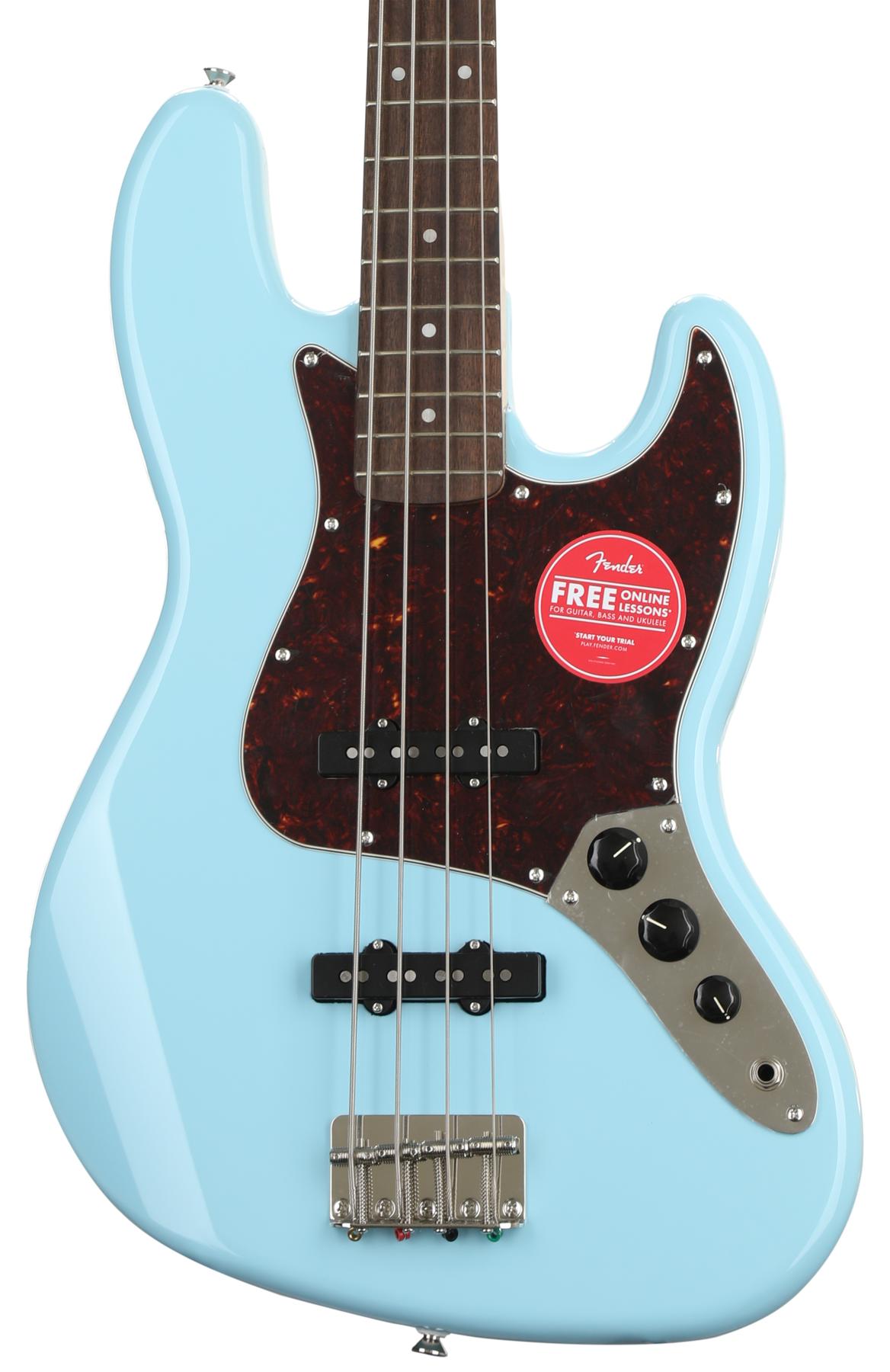
The b minor chord guitar, as we understand it at the moment, has a wealthy and complicated history that dates back several centuries. Its evolution is a captivating journey that intertwines cultural influences, technological developments, and artistic expression. Understanding the origins of the guitar requires us to delve into the assorted forms of stringed devices that preceded it, the cultural contexts in which they had been developed, and the gradual transformation that led to the trendy guitar.
The earliest ancestors of the guitar may be traced back to historic civilizations. Instruments resembling the guitar have been found in varied cultures, together with the ancient Greeks, Egyptians, and Persians. The most notable of these early instruments is the lute, which emerged in the Middle Ages. The lute, with its rounded back and fretted neck, shared many traits with the fashionable best guitar speakers for metal. It was broadly utilized in Europe during the Renaissance and Baroque durations, and its recognition laid the groundwork for the development of the guitar.
The term “guitar” itself is derived from the Latin phrase “cithara,” which refers to a stringed instrument. The transition from the lute to the guitar started in Spain in the course of the fifteenth century. The Spanish guitar, recognized as the “vihuela,” was a key instrument in the development of the fashionable guitar. The vihuela had a flat again and was sometimes played with the fingers somewhat than a plectrum. It featured six strings and was tuned equally to the trendy guitar, making it a direct ancestor of the instrument we all know at present.
By the 16th century, the guitar started to take on its recognizable shape. The introduction of the baroque guitar, which had 5 courses (pairs of strings), marked a significant step in its evolution. This instrument was smaller than the vihuela and was usually used to accompany singers and different devices. The baroque guitar was widespread among the many nobility and was a vital a part of the music culture of the time. Its design and building methods laid the muse for the classical guitar that will comply with.
The 19th century noticed the emergence of the fashionable classical guitar, which featured six single strings as an alternative of courses. This transformation was largely attributed to the work of Spanish luthier Antonio de Torres Jurado. Torres is commonly referred to because the father of the modern guitar resulting from his innovative designs that improved the instrument’s sound high quality and playability. He introduced a larger body dimension and a more refined bracing pattern, which enhanced the guitar’s resonance and volume. Torres’ contributions set the standard for guitar development that is still followed by luthiers at the moment.
As the guitar evolved, so did its function in music. The 19th century was a period of great change in musical types, and the guitar adapted to those shifts. The rise of Romanticism introduced with it a new give attention to particular person expression and emotional depth in music. Guitarists akin to Francisco Tárrega and Andrés Segovia began to elevate the instrument’s standing, showcasing its capabilities as a solo instrument. They expanded the guitar repertoire, incorporating classical compositions and original works that highlighted the guitar’s unique voice.
The guitar’s influence continued to grow all through the 20th century. The advent of jazz and widespread music saw the guitar take on new types, leading to the development of electric guitars. The electric guitar, invented in the 1930s, revolutionized the music business and transformed the sound of well-liked music. Iconic musicians equivalent to Chuck Berry, Jimi Hendrix, and Eric Clapton popularized the electric guitar, cementing its place in rock and roll history. The electric guitar’s capacity to amplify sound and create a variety of tones opened up new possibilities for musical expression.
Today, the guitar is one among the most well-liked devices worldwide, transcending genres and cultures. Its versatility allows it to be used in numerous musical types, from classical and flamenco to rock, blues, and pop. The guitar has turn out to be synonymous with creativity and browse musical instrument stores self-expression, inspiring numerous musicians to explore its potentialities.
In conclusion, the historical past of the guitar is a testomony to the instrument’s adaptability and enduring enchantment. From its ancient ancestors to the trendy electric guitar, the guitar has evolved via cultural influences and technological advancements. The contributions of luthiers, composers, and musicians have formed the instrument into a powerful instrument for creative expression. As we continue to discover the guitar’s rich legacy, we are able to respect the profound affect it has had on music and tradition throughout historical past. The journey of the guitar is far from over, and its future promises to be as exciting as its previous.
If you beloved this article and also you would want to be given details relating to easy guitar songs i implore you to stop by the web-page.